The Dam Busters Published: 2026-05-15 21:11:00 | Last Updated: 2026-05-15 22:32:39 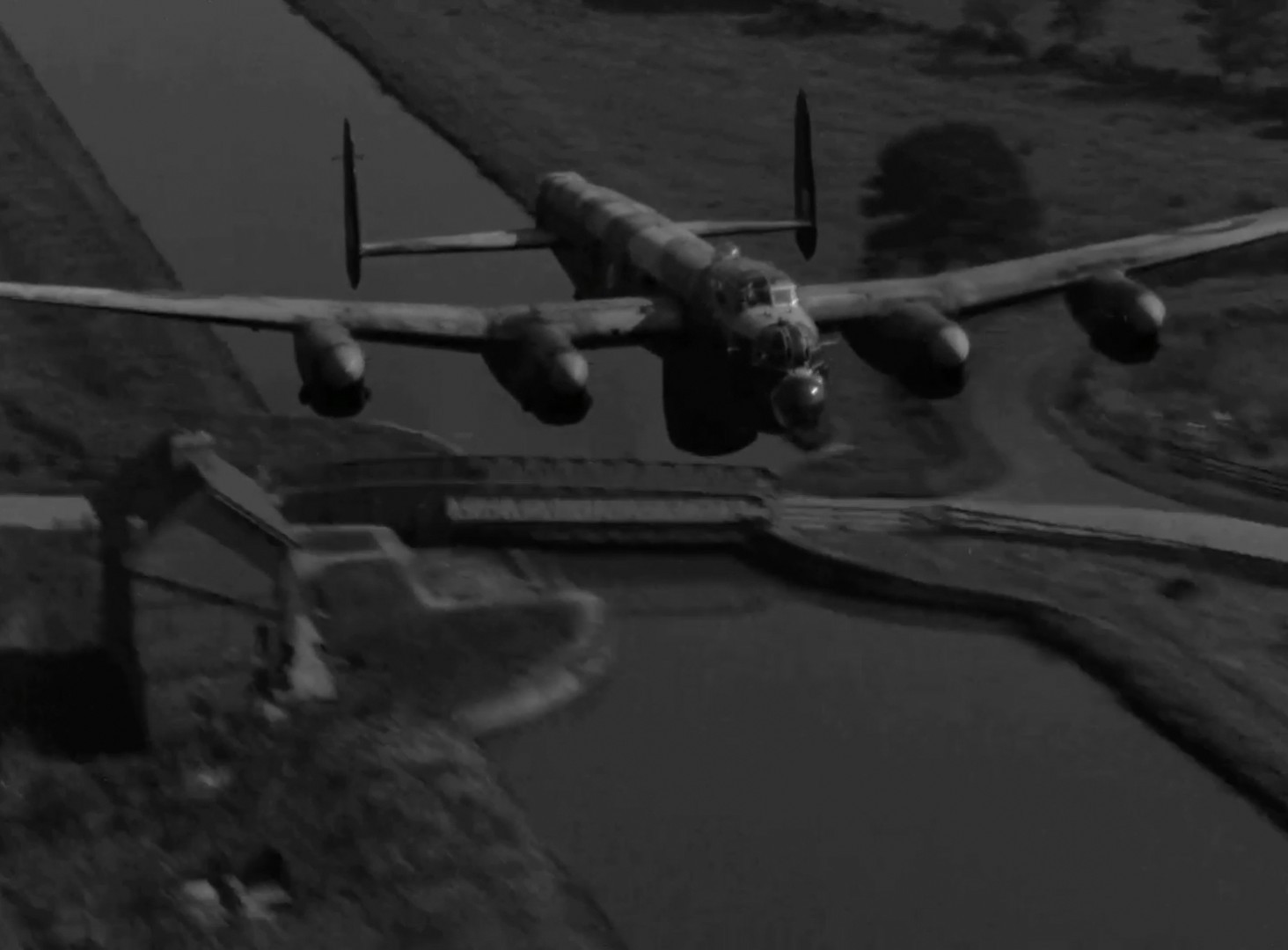
Avro Lancaster Echoes of Low-Level ThunderRemembering the Audacious Dambusters Raid 83 Years On Tonight, as the moon rises over the quiet valleys of the Ruhr in Germany and the flat, sprawling airfields of Lincolnshire, the aviation world pauses to reflect. It was exactly 83 years ago, on the night of 16–17 May 1943, that 19 specially modified Avro Lancaster bombers embarked on one of the most strategically complex air operations in British military history: Operation Chastise. Targeting the industrial heartland of Germany, the mission aimed to strike three major dams: the Möhne, the Eder, and the Sorpe. The goal was to cut off hydroelectric power and disrupt the water supply essential to enemy infrastructure during the Second World War. The Genius and the CrewThe operation was the brainchild of the engineer Barnes Wallis. He developed the "bouncing bomb" (codenamed Upkeep)—a heavy cylindrical mine designed to skip across the water to evade defensive nets. To work, the mine had to be spun backwards at 500 revolutions per minute prior to release, allowing it to strike the dam wall, sink, and detonate at a precise depth. To deliver this weapon, the Royal Air Force formed No. 617 Squadron. Led by the 24-year-old Wing Commander Guy Gibson, the squadron comprised 133 aircrew from Britain, Canada, Australia, New Zealand, and the USA. They trained to fly at a height of just 60 feet (18 metres) at night to ensure the bombs hit their targets with mathematical precision. The Cost of the Mission: Of the 133 airmen who took part, 53 were killed and three were captured. Eight of the 19 Lancasters failed to return to RAF Scampton. A Night of Fire and FloodThe Möhne Dam was the first to be breached. After several runs under heavy anti-aircraft fire, a final delivery by Squadron Leader David Maltby caused the wall to collapse. Guy Gibson later described the sight of the water gushing into the valley below. The Eder Dam fell shortly after, breached following a precise run by Flight Lieutenant Les Knight. The success came at a staggering human cost. While the mission achieved its primary objective of disrupting German industry, the flooding also resulted in the deaths of an estimated 1,300 people on the ground, many of whom were civilians and forced labourers. “For me the subsequent success was almost completely blotted out by the sense of loss of those wonderful young lives.” Eighty-three years later, the legacy of the Dambusters remains a testament to engineering innovation and the profound personal sacrifice of those involved. The memory of No. 617 Squadron remains firmly etched into history. Available Articles
Available Articles (PDF)
|